✨ New Arrivals Just Dropped!Explore

1 / 4
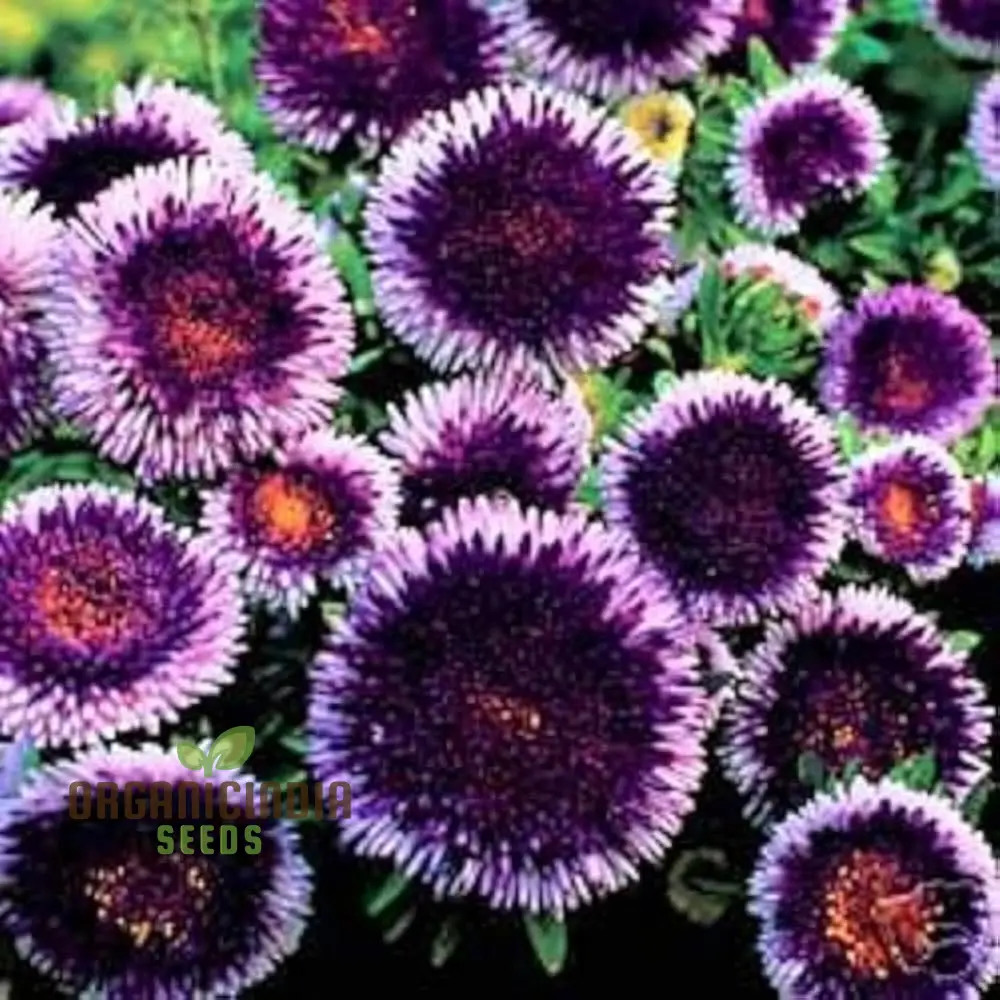
Giant Blue Moon Aster Flower Seeds for Gardening Enthusiasts and Seed Collectors
Giant Blue Moon Aster Flower Seeds – Perfect for Gardening Enthusiasts and Seed Collectors
Key Features
- Scientific Name: Aster amellus (Blue Moon Variety)
- Common Name: Giant Blue Moon Aster
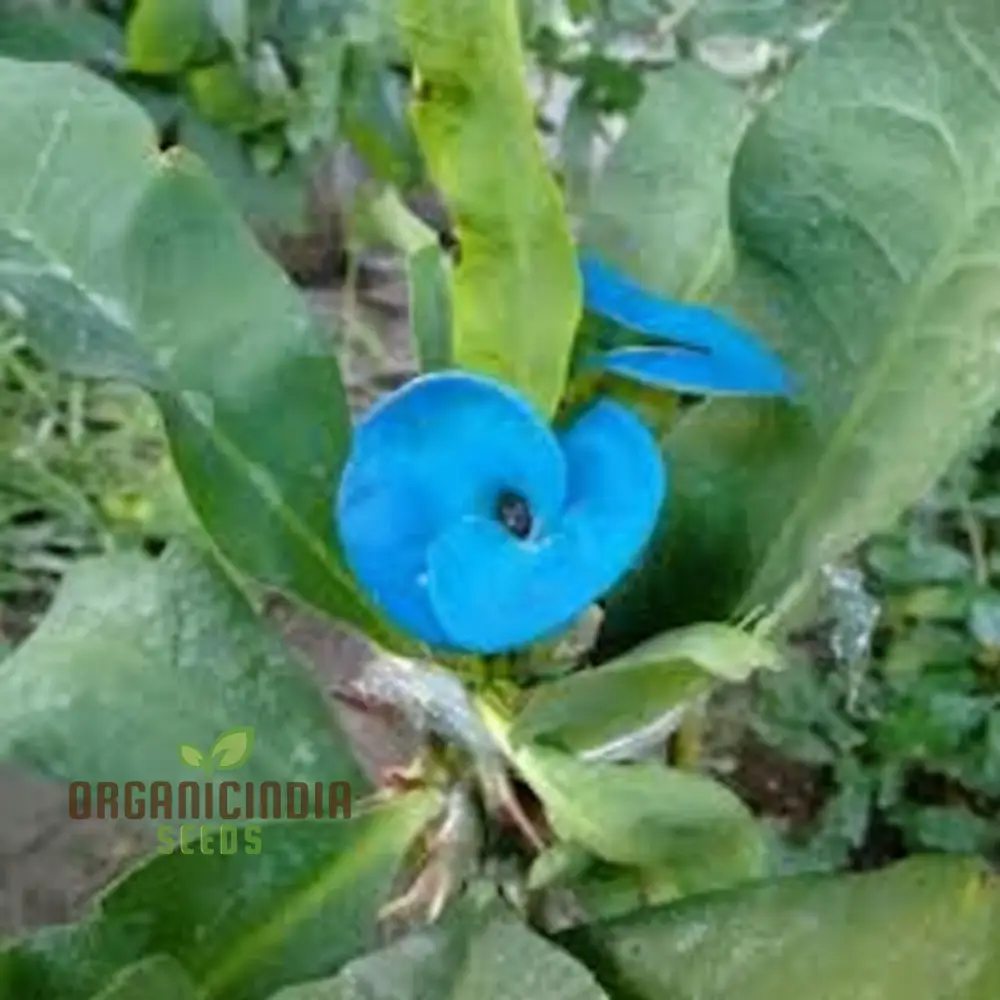
- Flower Color: Striking deep blue to lavender blooms with bright yellow centers
- Growth Habit: Perennial flowering plant with bushy, upright growth
- Height & Spread: Grows 18-36 inches tall with a spread of 12-24 inches
- Blooming Season: Late summer to early fall
- Sun Requirements: Full sun to partial shade (at least 4-6 hours of sunlight daily)
- Soil Type: Well-draining, fertile, loamy or sandy soil
- Watering Needs: Moderate; prefers evenly moist but not soggy soil
- Hardiness Zones: Suitable for USDA Zones 4-9
Why Grow Giant Blue Moon Asters?
- Stunning Blue Blooms: Unique, large flowers add vibrant color to any garden
- Late-Season Bloomer: Extends garden interest into fall when many flowers fade
- Attracts Pollinators: A favorite of bees, butterflies, and beneficial insects
- Low Maintenance and Hardy: Easy to grow and resistant to pests and diseases
- Versatile Use: Ideal for flower beds, borders, wildflower gardens, and cut flower arrangements
Planting and Care Instructions
Seed Preparation and Sowing
Direct Sowing (Best for Outdoor Growth):
- Sow seeds in early spring after the last frost or in late fall for natural stratification.
- Scatter seeds on the soil surface and lightly press them in—do not bury deeply.
- Keep soil moist until germination, which usually takes 2-4 weeks.
Starting Indoors (For Early Blooms):
- Start seeds 6-8 weeks before the last frost in seed trays with light, well-draining soil.
- Keep in a bright, warm location with temperatures around 65-70°F.
- Transplant seedlings outdoors once they are sturdy and the weather is mild.
Maintenance
- Watering: Water regularly, especially during dry spells, but avoid overwatering.
- Fertilization: Apply a balanced fertilizer in early spring and mid-summer.
- Pruning: Deadhead spent blooms to encourage continuous flowering.
- Dividing: Every 2-3 years, divide mature plants to maintain vigor and prevent overcrowding.
Ideal For
- Cottage gardens and perennial borders
- Butterfly and pollinator-friendly landscapes
- Wildflower meadows and naturalized plantings
- Fresh-cut floral arrangements
The Giant Blue Moon Aster is a must-have for any garden, offering bold, long-lasting blooms and an easy-care nature. Whether grown for its stunning flowers or to support local pollinators, this aster is sure to bring beauty and life to your outdoor space.
Select size
From $5.25
Original: $14.99
-65%Giant Blue Moon Aster Flower Seeds for Gardening Enthusiasts and Seed Collectors—
$14.99
$5.25Product Information
Product Information
Shipping & Returns
Shipping & Returns
Description
Giant Blue Moon Aster Flower Seeds – Perfect for Gardening Enthusiasts and Seed Collectors
Key Features
- Scientific Name: Aster amellus (Blue Moon Variety)
- Common Name: Giant Blue Moon Aster
- Flower Color: Striking deep blue to lavender blooms with bright yellow centers
- Growth Habit: Perennial flowering plant with bushy, upright growth
- Height & Spread: Grows 18-36 inches tall with a spread of 12-24 inches
- Blooming Season: Late summer to early fall
- Sun Requirements: Full sun to partial shade (at least 4-6 hours of sunlight daily)
- Soil Type: Well-draining, fertile, loamy or sandy soil
- Watering Needs: Moderate; prefers evenly moist but not soggy soil
- Hardiness Zones: Suitable for USDA Zones 4-9
Why Grow Giant Blue Moon Asters?
- Stunning Blue Blooms: Unique, large flowers add vibrant color to any garden
- Late-Season Bloomer: Extends garden interest into fall when many flowers fade
- Attracts Pollinators: A favorite of bees, butterflies, and beneficial insects
- Low Maintenance and Hardy: Easy to grow and resistant to pests and diseases
- Versatile Use: Ideal for flower beds, borders, wildflower gardens, and cut flower arrangements
Planting and Care Instructions
Seed Preparation and Sowing
Direct Sowing (Best for Outdoor Growth):
- Sow seeds in early spring after the last frost or in late fall for natural stratification.
- Scatter seeds on the soil surface and lightly press them in—do not bury deeply.
- Keep soil moist until germination, which usually takes 2-4 weeks.
Starting Indoors (For Early Blooms):
- Start seeds 6-8 weeks before the last frost in seed trays with light, well-draining soil.
- Keep in a bright, warm location with temperatures around 65-70°F.
- Transplant seedlings outdoors once they are sturdy and the weather is mild.
Maintenance
- Watering: Water regularly, especially during dry spells, but avoid overwatering.
- Fertilization: Apply a balanced fertilizer in early spring and mid-summer.
- Pruning: Deadhead spent blooms to encourage continuous flowering.
- Dividing: Every 2-3 years, divide mature plants to maintain vigor and prevent overcrowding.
Ideal For
- Cottage gardens and perennial borders
- Butterfly and pollinator-friendly landscapes
- Wildflower meadows and naturalized plantings
- Fresh-cut floral arrangements
The Giant Blue Moon Aster is a must-have for any garden, offering bold, long-lasting blooms and an easy-care nature. Whether grown for its stunning flowers or to support local pollinators, this aster is sure to bring beauty and life to your outdoor space.